
LovedPack Originals · Research · Follow-Up Finding, September 2026
Why is dog beauty starting to look the same?
A follow-up to The Dog Beauty Index 2026, on what happens when a young category starts developing the same visible language, and why looking alike isn't always the same as being alike.
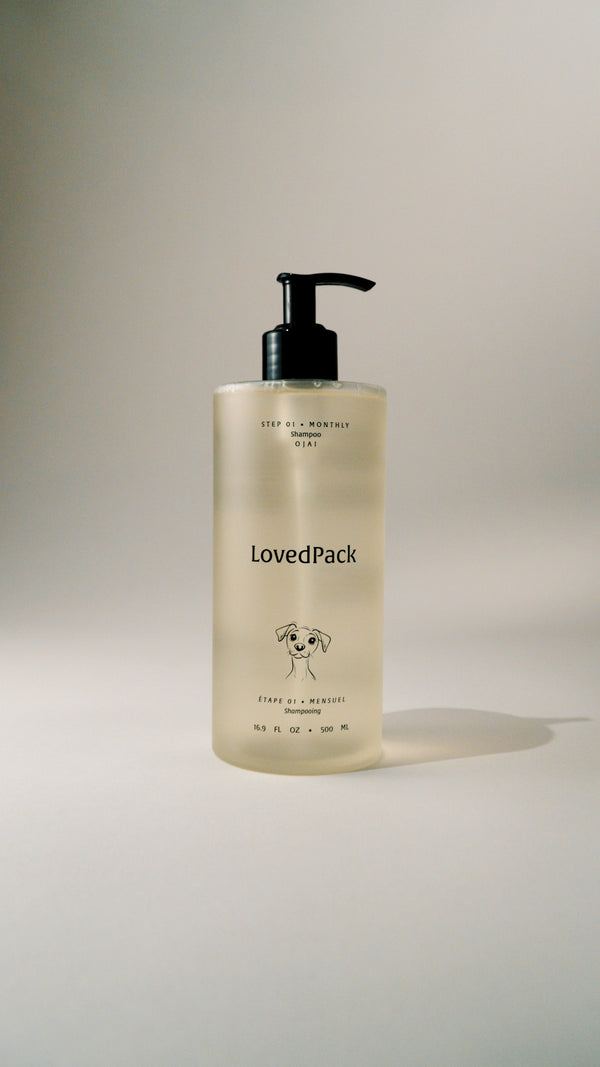
It started with four products.
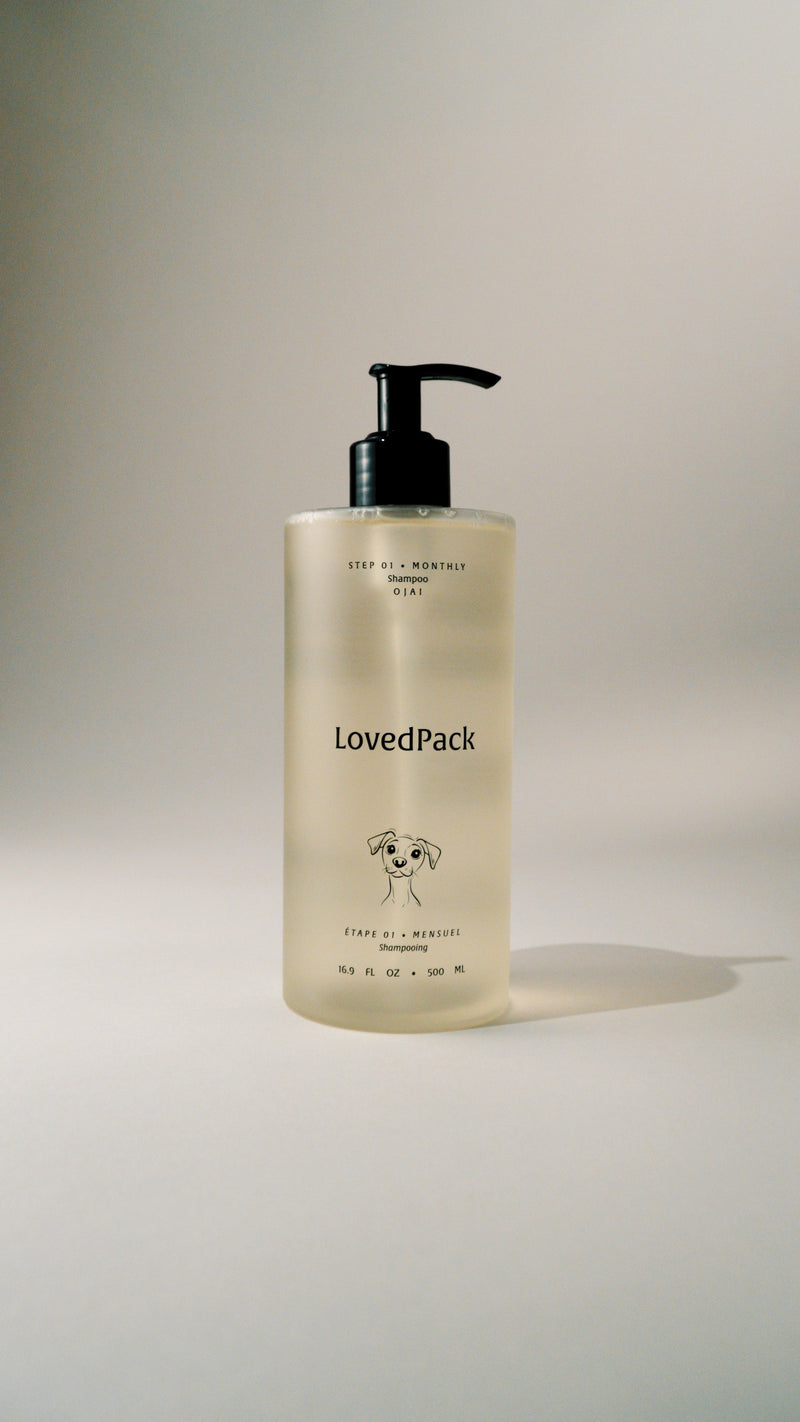
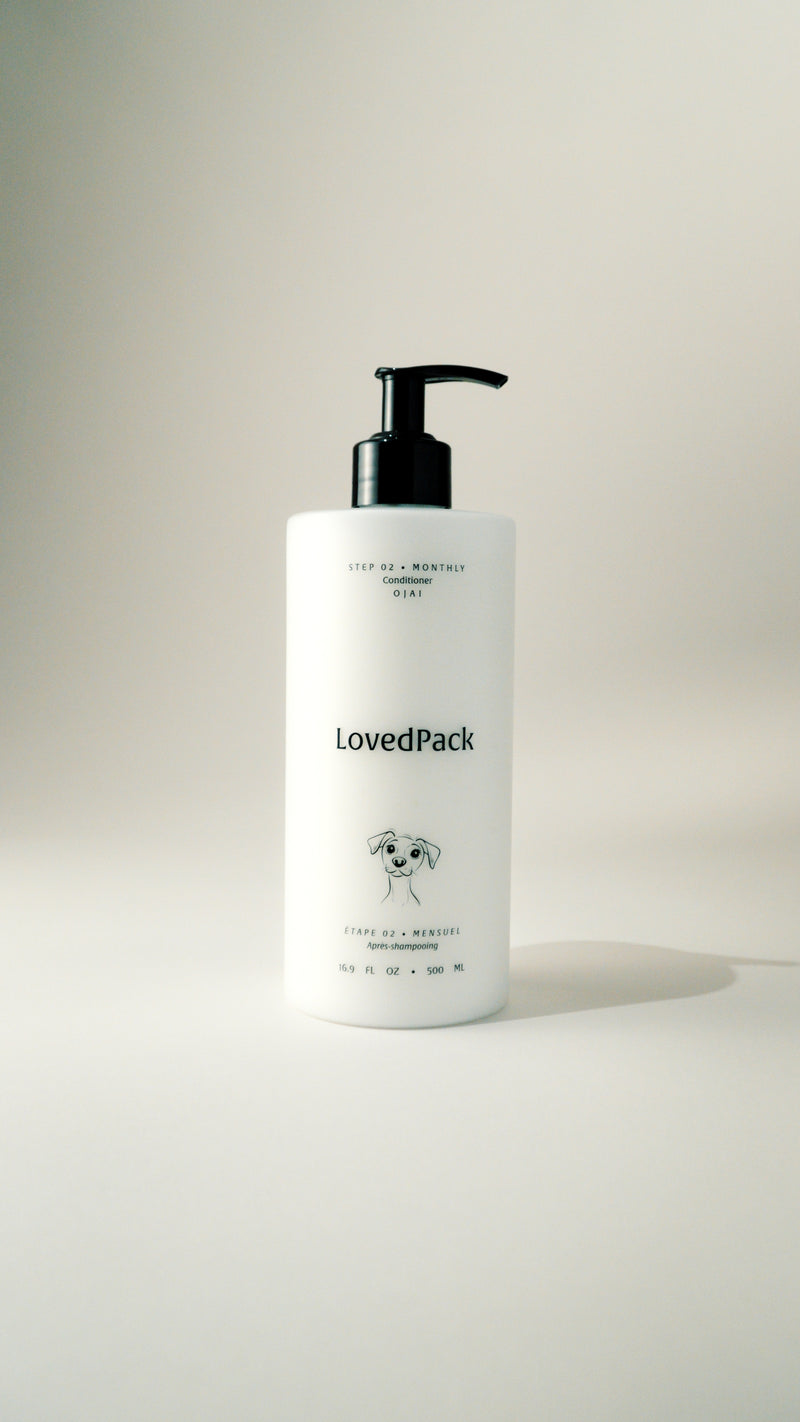
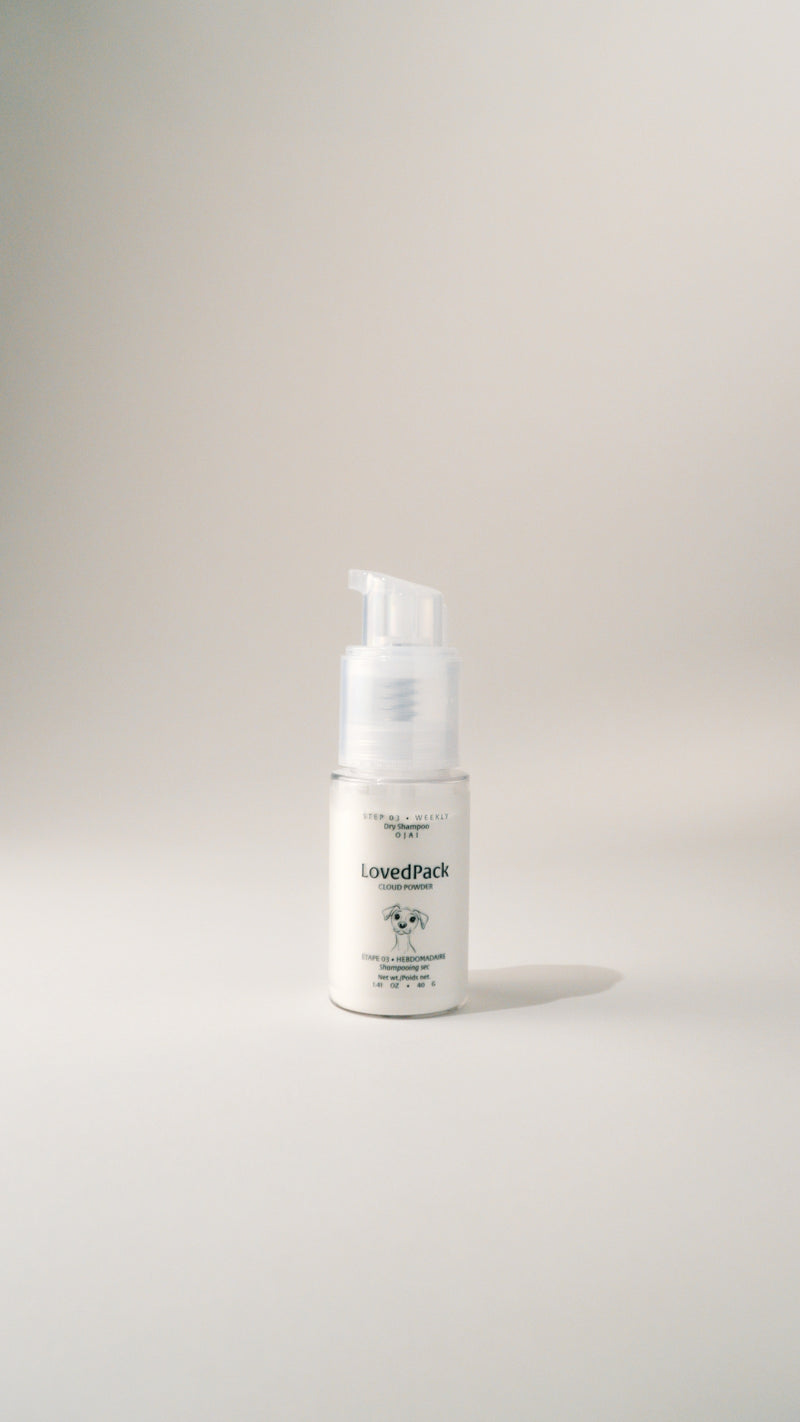
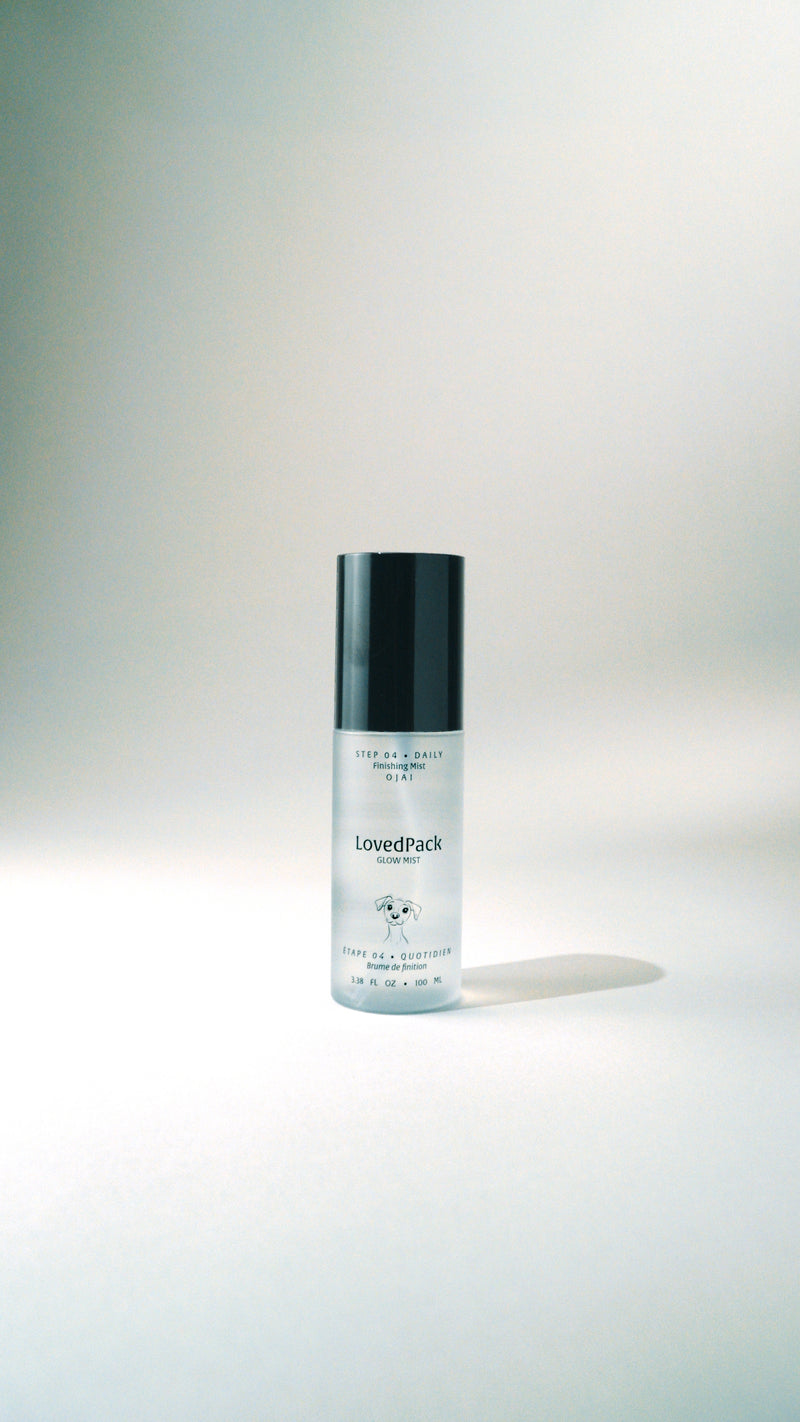
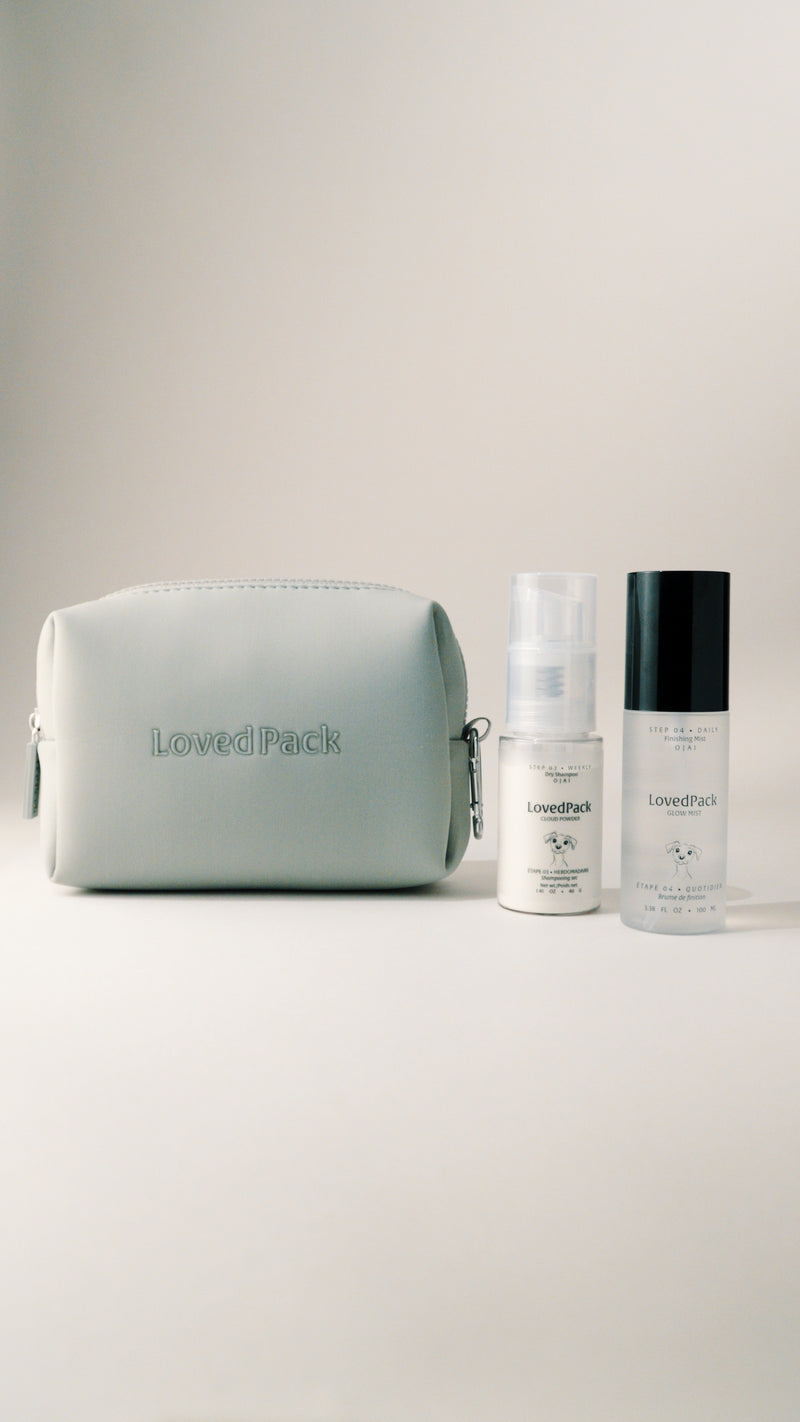
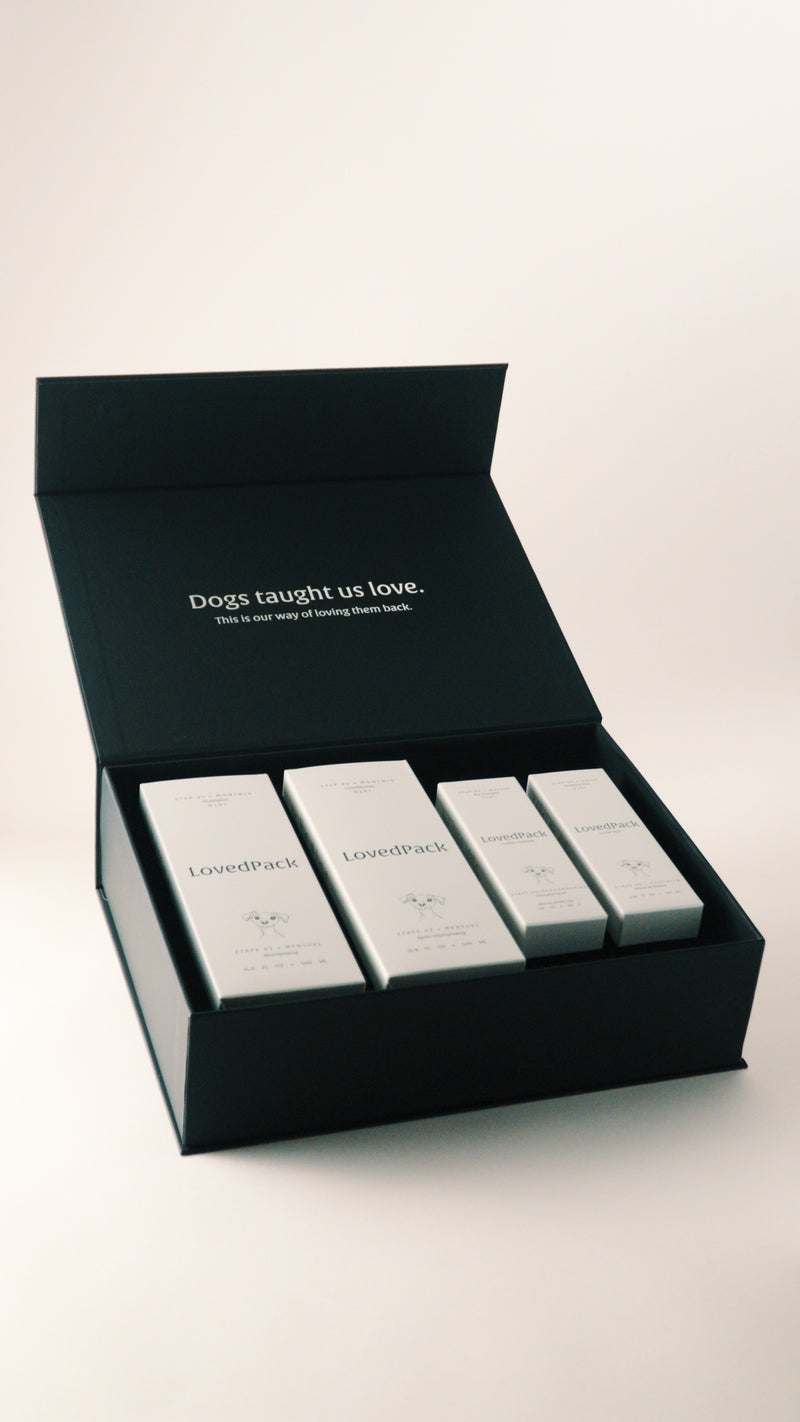
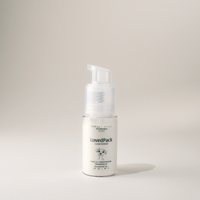
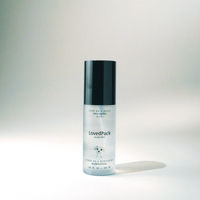
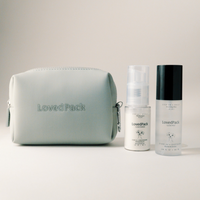
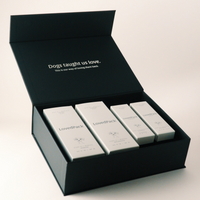
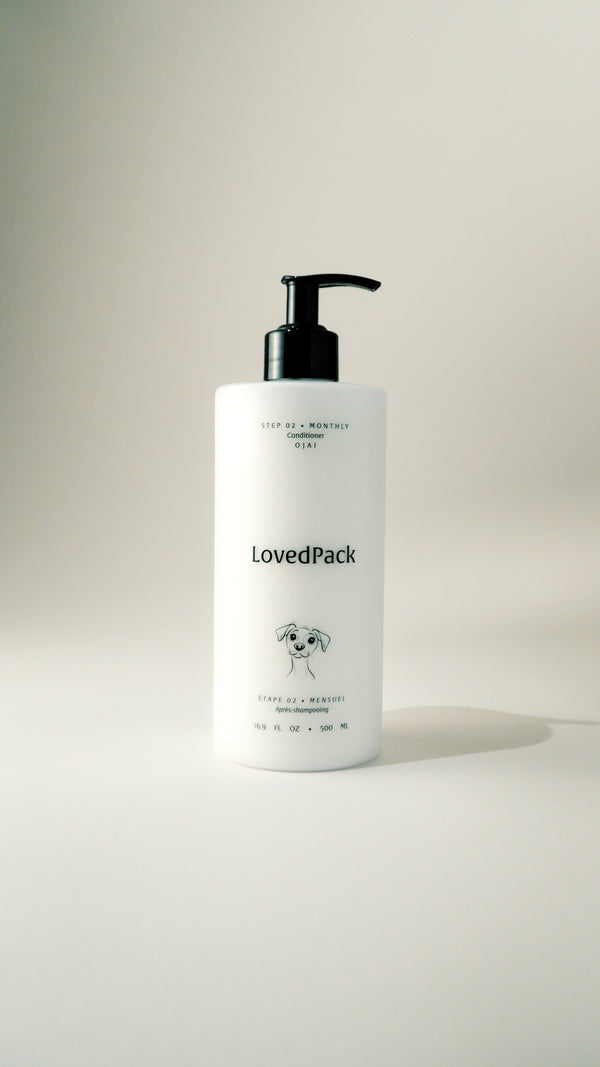
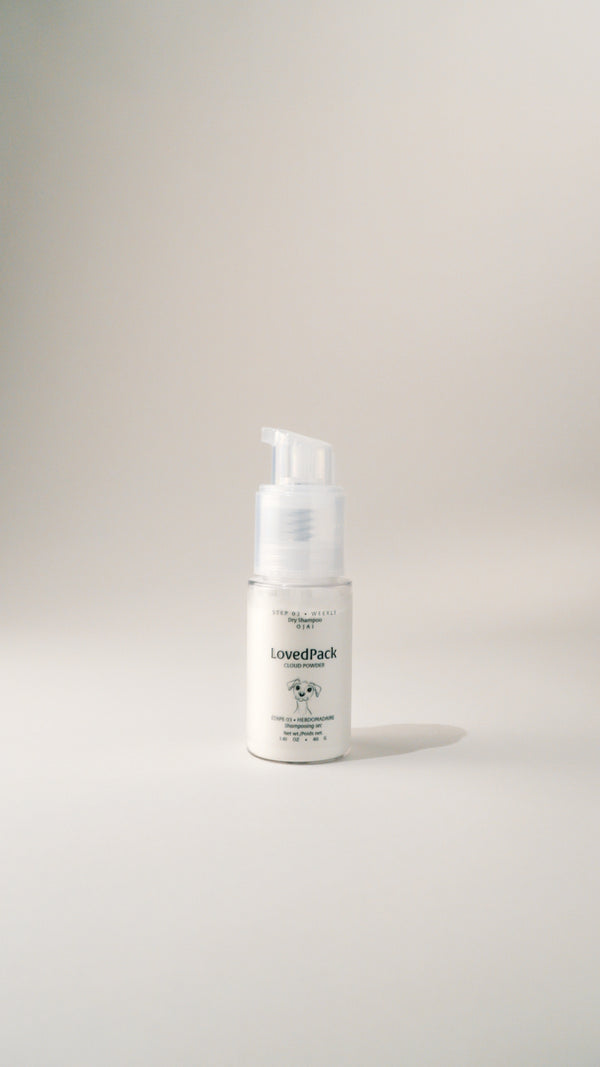
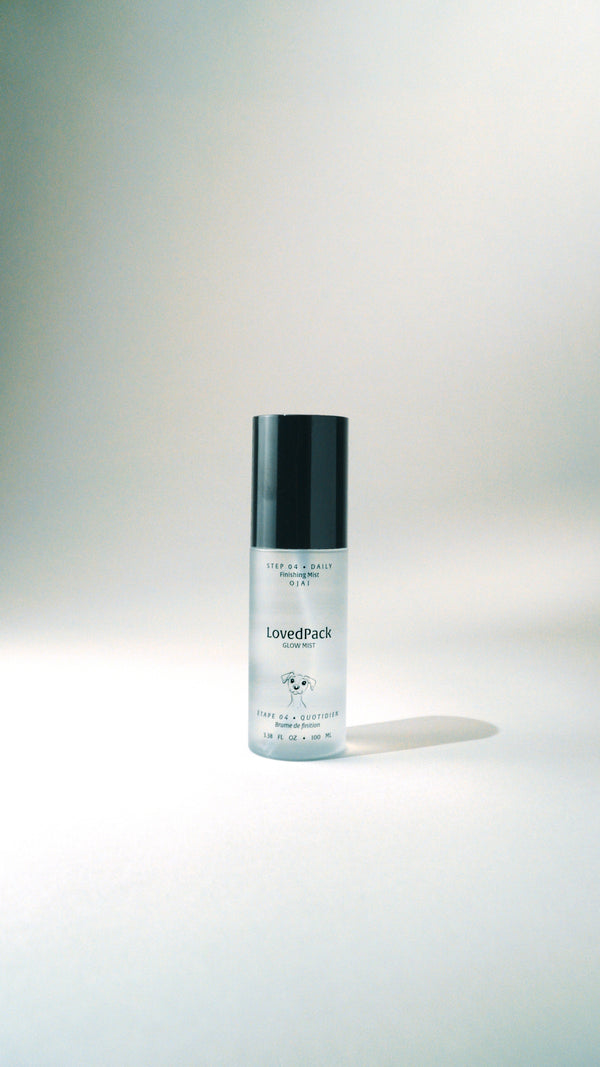
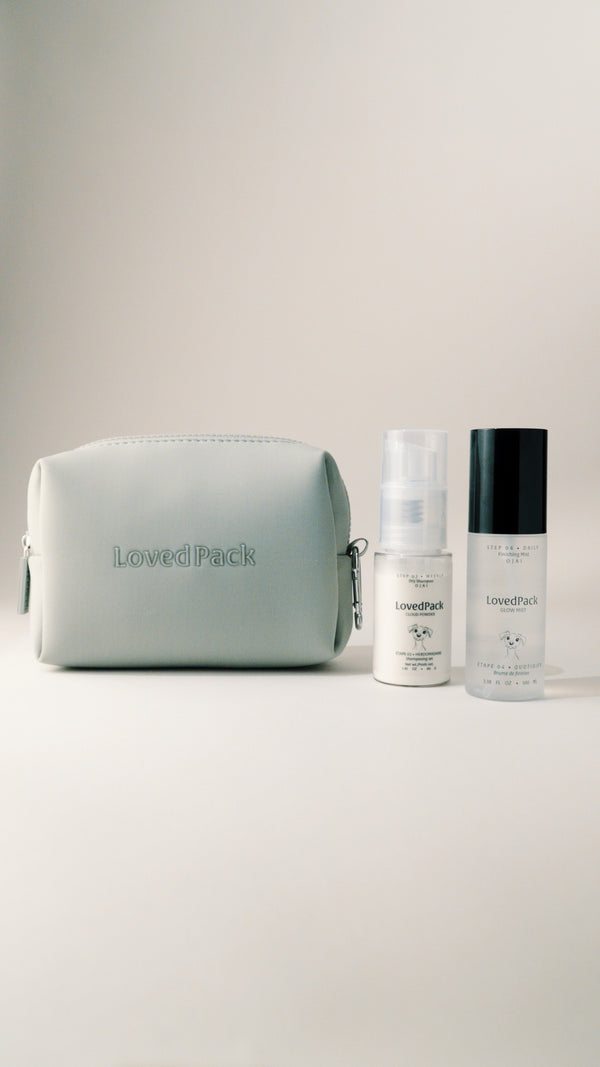
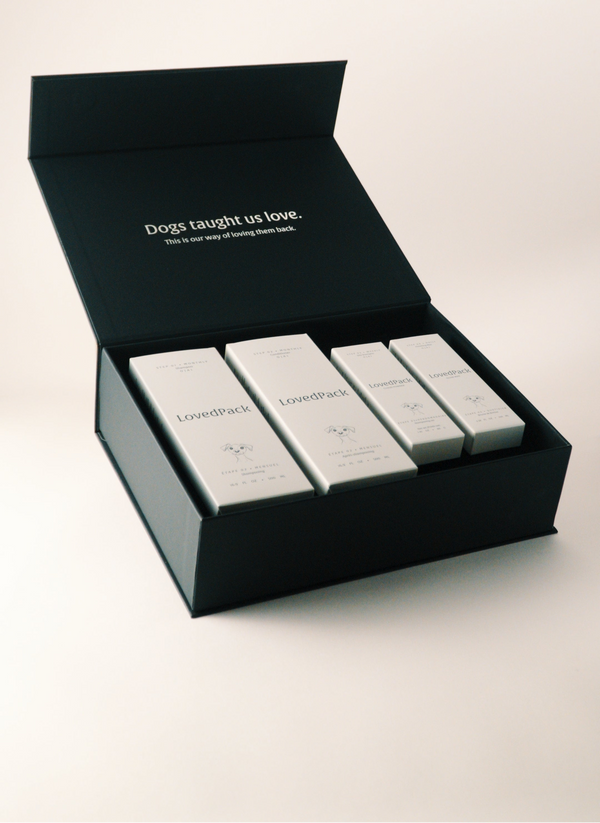
LovedPack has four.
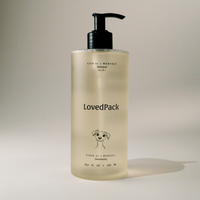
- 01WashThe Shampoo · Monthly
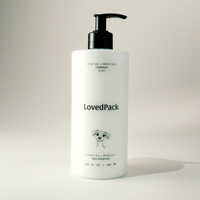
- 02SoftenThe Conditioner · Monthly
- 03ResetCloud Powder · Weekly
- 04GlowGlow Mist · Daily
Four steps. Three frequencies. One complete rhythm of care.
The numbers are on the bottles. They were built into the physical products, the packaging, and the way the system was designed to be understood, but the numbers were never really the point. The point was time: Wash and Soften belong to wash day, Reset belongs to a different moment, and Glow belongs somewhere else again. Different jobs, different frequencies, one dog living through all of them.
Why is dog beauty starting to look so familiar?
The Index had already given us part of the answer.
Only weeks earlier, LovedPack had published The Dog Beauty Index 2026, an analysis of 100 premium topical dog-care products across 30 brands, with LovedPack products deliberately excluded from the sample. We went into that research believing that one of the biggest pieces of whitespace in premium dog care might be the system itself. The data changed our mind.
12/30
brands already had an explicit system or routine
5/30
showed strong recurring cadence across distinct product roles
At product level, 71 of 100 had an explicit Bath-Day role, 22 of 100 an explicit Between-Bath role, 41 of 100 were leave-on or no-rinse, and only 10 of 100 carried an explicit recurring-frequency instruction. That distinction became one of the most important findings in the Index.
Assortment
What exists
System
What comes next
Cadence
When care comes back
The market wasn't waiting for someone to invent the dog-care routine. Systems were already there. What was less developed was time.
The finding
Dog beauty is converging on visible grammar faster than it is converging on time.
The category is becoming increasingly fluent in the same visible ideas:
None of those ideas is inherently proprietary, and many are useful or necessary. But usefulness has a way of becoming convention, and convention stops doing much work to distinguish one brand from another. Human beauty taught consumers this behavior for decades. Dog beauty is learning it now: 40% of the brands in the Index already had an explicit system or routine.
“We have a routine” stops being the idea.
The interesting part becomes what the routine actually understands about the life around it.
Between baths is getting crowded.
The original Index found a striking imbalance: 71% of the sample still touched bath day, only 22% had an explicit Between-Bath role, and 41% were already leave-on or no-rinse. The products had moved outside the bath faster than the category developed a language for what belongs there.
A dog may be washed every few weeks. The dog does not live every few weeks.
The dog goes outside, gets in the car, sleeps on the couch: life keeps happening whether bath day is tomorrow or three weeks away. But treating all of that as one category, “between baths,” is a problem, because a wipe, a powder, an oil and a mist can all live there, and none of them have the same job.
“Between baths” is a period of time. It is not a product function.
As more brands move into that territory, simply occupying it won't be enough. The category will have to answer something more precise: what happened, and what kind of care actually belongs to that moment?
Dog beauty learned how beauty talks.
Premium dog grooming once spoke in purely functional language: shampoo, conditioner, detangler, spray. Now it speaks in words that feel at home in human skincare and fragrance:
That's not a failure of originality. It's how categories learn, by borrowing language from somewhere people already understand. But there's a consequence: the more brands learn to speak beauty, the less distinctive simply sounding like beauty becomes.
Looking like beauty was once differentiation. Now it's becoming fluency.
So why is dog beauty starting to look the same?
Because the category is growing up, and growing categories create conventions. Something works, people understand it, and it spreads: the language, the aesthetic, the behavior. What once looked strange becomes recognizable, then recognizable becomes expected, quiet packaging, beauty language, between-bath care, systems, steps, until what once looked like differentiation becomes shared grammar.
That doesn't mean the brands inside the category are identical. It means some of the easiest ways of appearing different are becoming less different.
Originality has to move.
A bottle can be redesigned, a routine can be rearranged, a sequence can be numbered. Those things matter, but they become easier to reproduce once the category understands them. Other things take longer: a coherent point of view, research, performance, trust, a recognizable body of work, a world that still feels like itself after you remove the bottle.
The first stage of dog beauty was learning to look like beauty. The next will be proving that it has something original to say.
When everyone has a ritual, the word stops being the moat. When everyone has a system, the system alone stops being the idea, and originality moves deeper: what does the brand believe, what has it made because of that belief, and what's still unmistakably its own once everyone speaks the same vocabulary?
Dog beauty is becoming easier to recognize. The brands inside it will now have to become harder to confuse.
Why LovedPack published this finding
LovedPack studies dog beauty because young categories reveal themselves through two things: what changes, and what begins repeating. The Dog Beauty Index already changed one of our own assumptions, that systems might be the whitespace. They weren't. What the category had much less of was clear time architecture, and that visible grammar is still spreading.
LovedPack's own system remains: Wash and Soften monthly, Reset weekly, Glow daily. But four steps alone can't carry an entire point of view. No number can. The interesting work begins after the category learns the format.
Sources
The Dog Beauty Index 2026: LovedPack Original research examining 100 premium topical dog-care products across 30 brands.
Pet Age: "Los Angeles-Based LovedPack Introduces Four-Step Dog Beauty Ritual at SuperZoo" August 18, 2026. Independent documentation of LovedPack's Four-Step Dog Beauty Ritual and monthly, weekly and daily structure.
Selected public premium dog-care communication Reviewed August through September 2026 for system, routine, between-bath and product-role language.