
Can You Use Human Shampoo on a Dog?
Human shampoo can make a dog look clean. That does not make it the right shampoo for a dog.

Short answer: For routine bathing, no — use a shampoo formulated for dogs. Human shampoo may clean the coat, but it is made for human skin and is not the right default for canine skin.
If you are standing in the bathroom with a wet dog and an empty bottle of dog shampoo, the question feels very practical: can you just use yours? Human shampoo will lather. It will move through the coat. It may even leave the dog smelling clean. But those things only tell you that it behaves like shampoo. They do not tell you that it was formulated for canine skin.
For routine bathing, the better answer is simple: use a shampoo made for dogs. Human skin and canine skin are not the same environment, and the formulas designed for each are built around different needs. Veterinary sources including VCA Animal Hospitals and PetMD recommend using pet- or dog-formulated shampoo rather than making human shampoo part of a dog's regular routine.
The question is not whether a human shampoo can make foam on a dog. It is whether the formula belongs on the skin underneath the coat.
Why is dog shampoo different from human shampoo?
One of the differences people hear about most is pH. Human skin is generally more acidic, while canine skin sits closer to neutral. That matters because shampoo does more than remove visible dirt: it interacts with the skin barrier while it cleans. A formula built around a human scalp is therefore not automatically a good match for a dog simply because both products come in bottles marked shampoo.
But pH is not the only thing worth thinking about. Dogs have their own skin structure, coat density, oil distribution, sensitivities and grooming patterns. They also lick themselves. A dog shampoo should be considered as a canine topical product first, not as a smaller version of something from the human shower.
This is the same reason we do not think Dog Beauty means copying human beauty literally. Human beauty can teach us how to think about distinct jobs, better rituals and better-designed objects. The dog still determines the formulation.

What if you already used human shampoo on your dog once?
Do not turn one bath into a catastrophe in your head. Guidance is slightly different depending on the veterinary source: the American Kennel Club notes that an occasional one-off use is unlikely to cause a problem for many dogs, while VCA takes the more conservative position that dogs should be bathed with products formulated for pets. The useful middle ground is this: one accidental bath is not the same thing as making human shampoo your dog's routine.
If you already used it, rinse the coat very thoroughly and pay attention afterward. Redness, persistent scratching, dryness, flaking or obvious discomfort are reasons to stop experimenting and speak with your veterinarian, especially if your dog already has sensitive skin, allergies or a diagnosed skin condition.
A good rinse matters no matter which shampoo you use. Residue left behind can be irritating, and a dense coat can hold onto more product than it appears to from the surface.
What if you are completely out of dog shampoo?
Not every dirty dog requires an improvised formula. If the problem is light surface dirt and there is no reason the dog needs a full bath immediately, a water rinse or spot cleaning may be enough until you have the right product. If the dog has rolled in something genuinely irritating, oily, toxic or unknown, that is a different situation; contact your veterinarian rather than choosing a household cleanser at random.
You will find emergency substitutes recommended all over the internet, including baby shampoo and dish soap. The problem is that veterinary guidance is not perfectly uniform on those substitutes. That is why we would not turn a workaround into a general rule. For ordinary wash day, dog-formulated shampoo is the cleaner answer.
Can you use human conditioner on a dog?
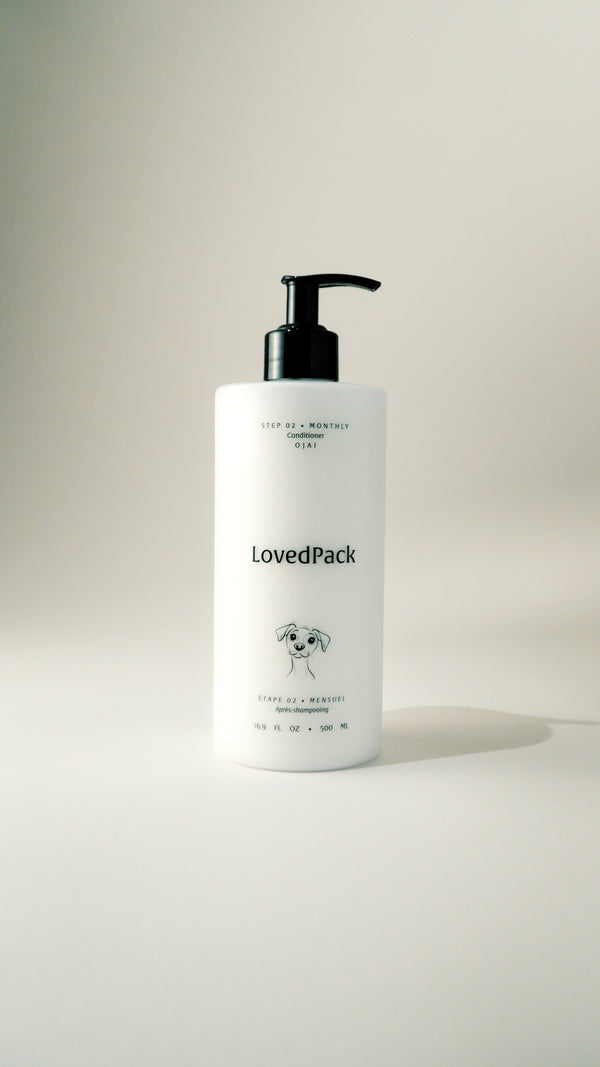
For routine coat care, use a conditioner formulated for dogs rather than a human hair conditioner. Not every dog has the same coat, so conditioner is not a universal medical requirement. But shampoo and conditioner do different jobs. Shampoo is there to cleanse. Conditioner can help return softness and manageability to the coat after cleansing, especially for coats that feel dry, long, dense or prone to tangling. VCA notes that conditioning products can help restore moisture and make combing easier after a bath.
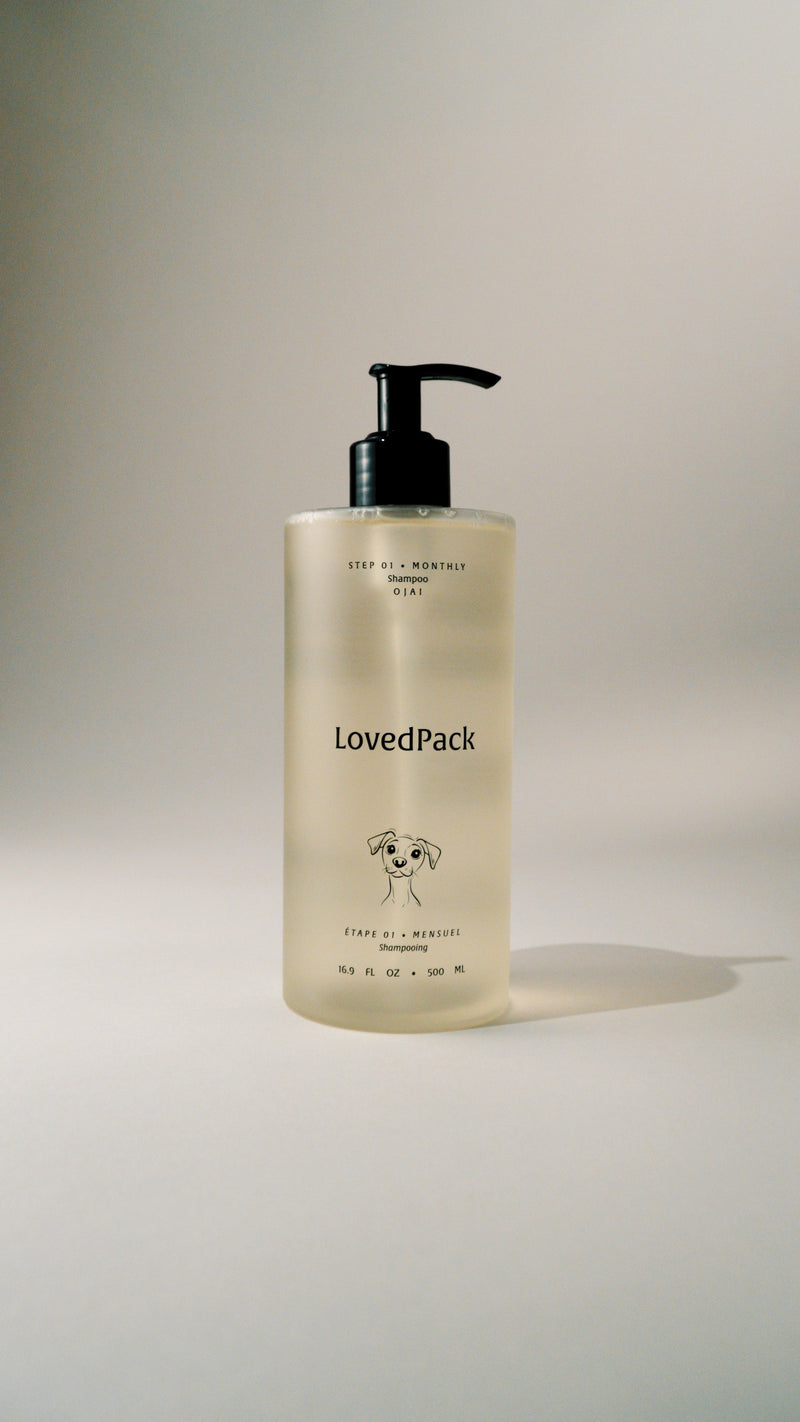
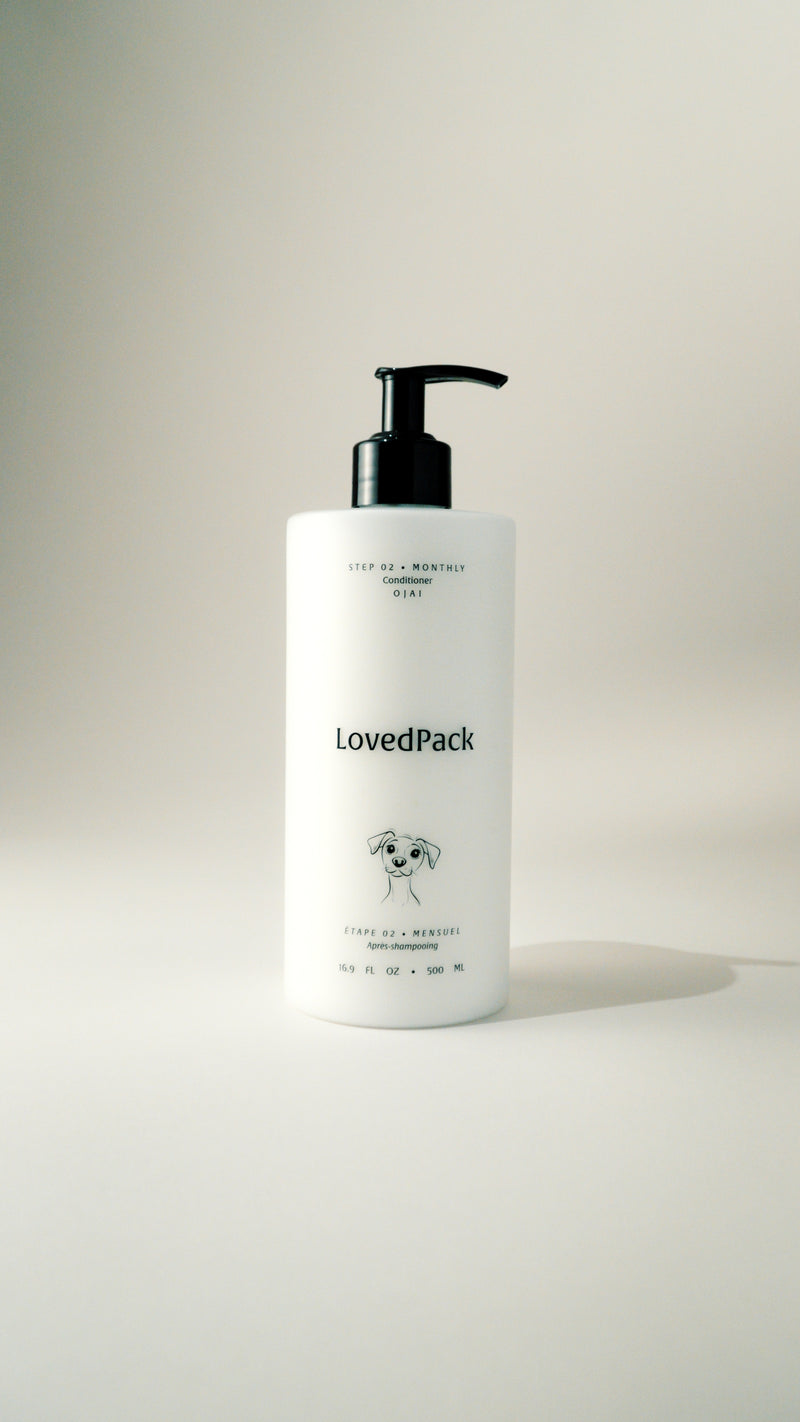
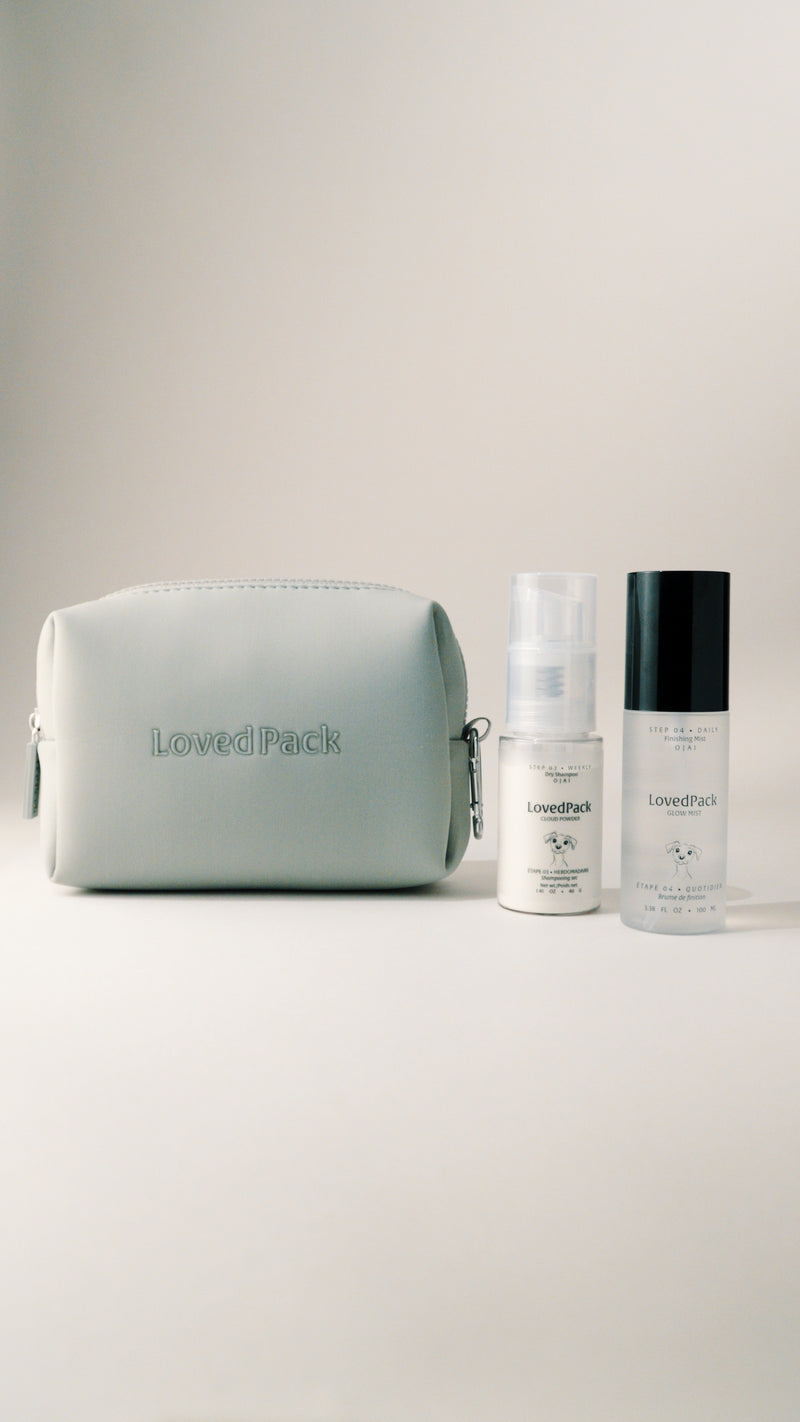
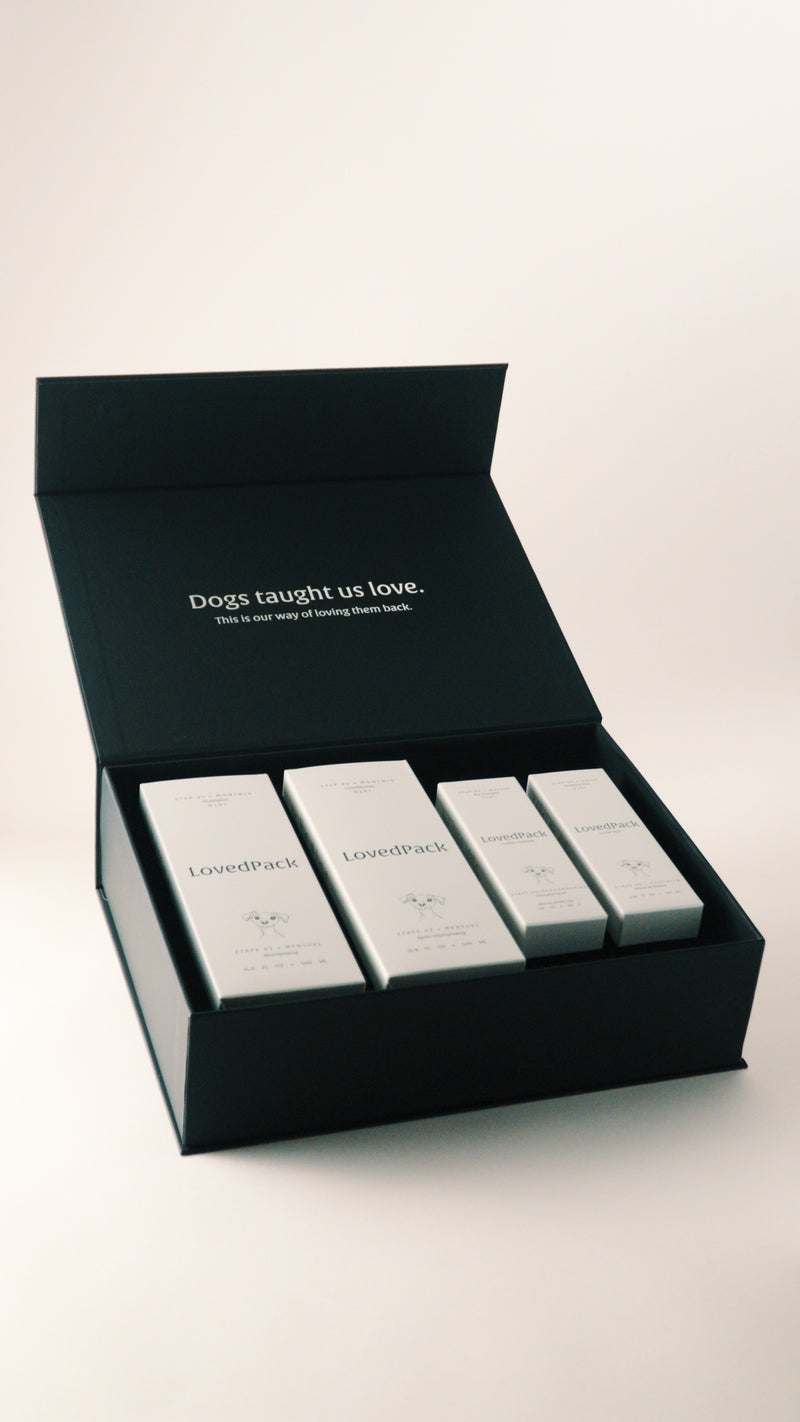
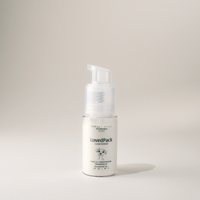
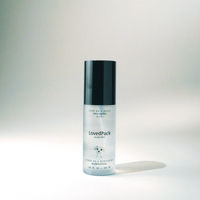
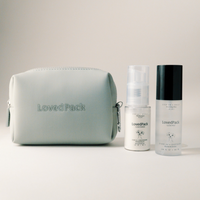
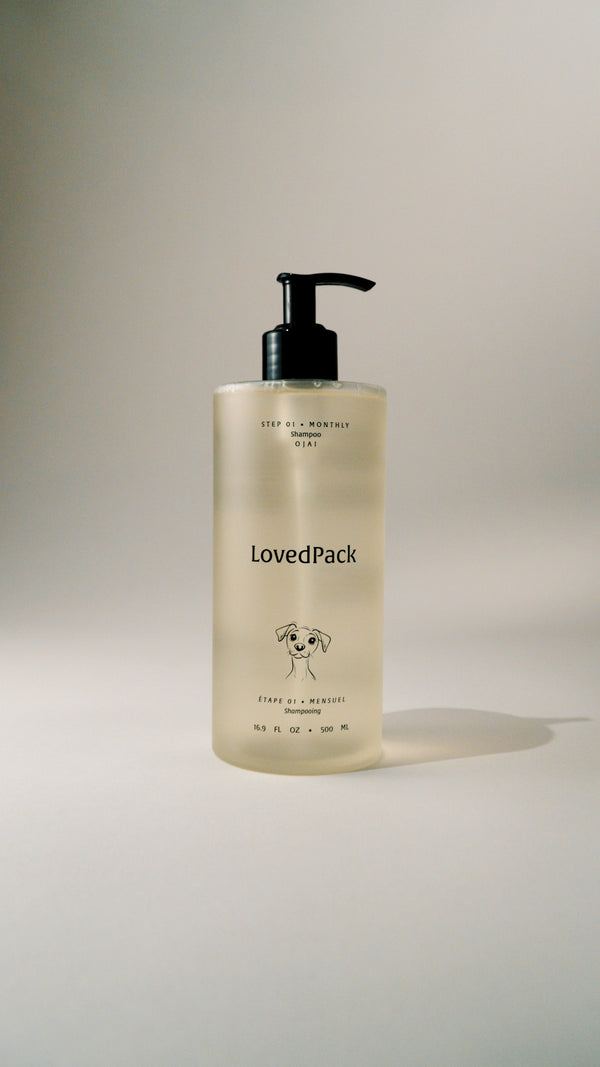
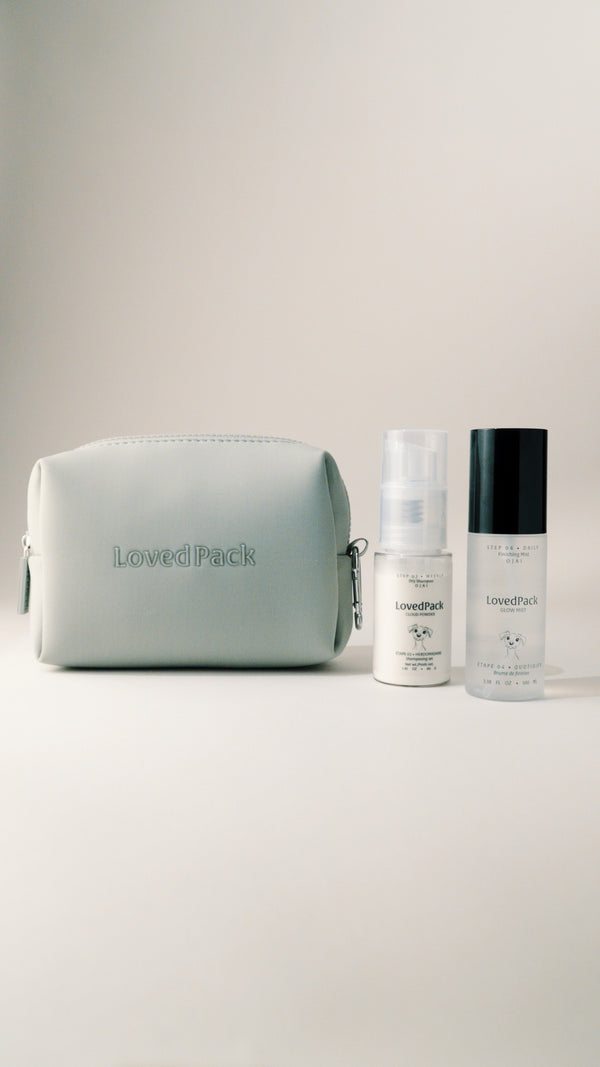
That is why LovedPack separates Wash and Soften instead of asking one bottle to pretend it does everything. Wash is Step 01: the monthly cleanse that lifts dirt, excess oil and buildup. Soften is Step 02: the conditioning step that follows wash day and brings moisture, slip and manageability back to the coat.

What should you look for in a dog shampoo?
The first filter is almost boring because it should be obvious: it should actually be formulated for dogs. After that, the right choice depends on the dog in front of you. Coat type, skin sensitivity, bathing frequency and any existing skin condition can all change what makes sense.
If your dog has persistent itching, redness, recurring odor, hair loss, sores or a diagnosed dermatologic condition, the answer is not to keep switching cosmetic shampoos until one works. That is veterinarian territory, and a medicated product may be more appropriate than a standard grooming shampoo.
For a dog without those issues, wash day should not need to become complicated. Clean the coat well, rinse thoroughly, condition when it benefits the coat, dry appropriately, and then let the dog go back to being a dog.
Human beauty logic. Canine biology.
There is a strange temptation in premium dog care to prove sophistication by making everything look more human. We think the more interesting version is the opposite. Keep the sophistication. Keep the attention to texture, scent, ritual, design and pleasure. But let the dog's body set the rules.
A dog does not need your shampoo just because your shampoo is expensive. A dog does not need a twelve-step routine because humans have one. And a bottle does not become better dog care because it borrows the language of skincare.
Dog Beauty becomes more useful when each product has a clear job, a clear moment and a reason to exist. On wash day, that starts with a shampoo that was made for the animal standing in the tub.
The dog needs the care. The human experiences the beauty.
So, can you use human shampoo on a dog?
For routine bathing, use dog-formulated shampoo. Human shampoo is designed around human skin and scalp, not canine skin and coat. If you already used human shampoo once, rinse thoroughly and watch for irritation rather than panicking. If your dog has an existing skin condition or develops redness, itching, dryness or discomfort, speak with your veterinarian.
And if the dog is not actually ready for another bath, do not manufacture wash day just because the coat has changed. Between-bath care has a different job. Our Journal on what you can use on a dog between baths breaks that down separately.
Sources: Veterinary and grooming guidance reviewed from VCA Animal Hospitals, PetMD and the American Kennel Club. This article is general educational information and is not a substitute for veterinary care.
VCA: human shampoo on pets · PetMD: human shampoo on dogs · AKC: human shampoo on dogs